
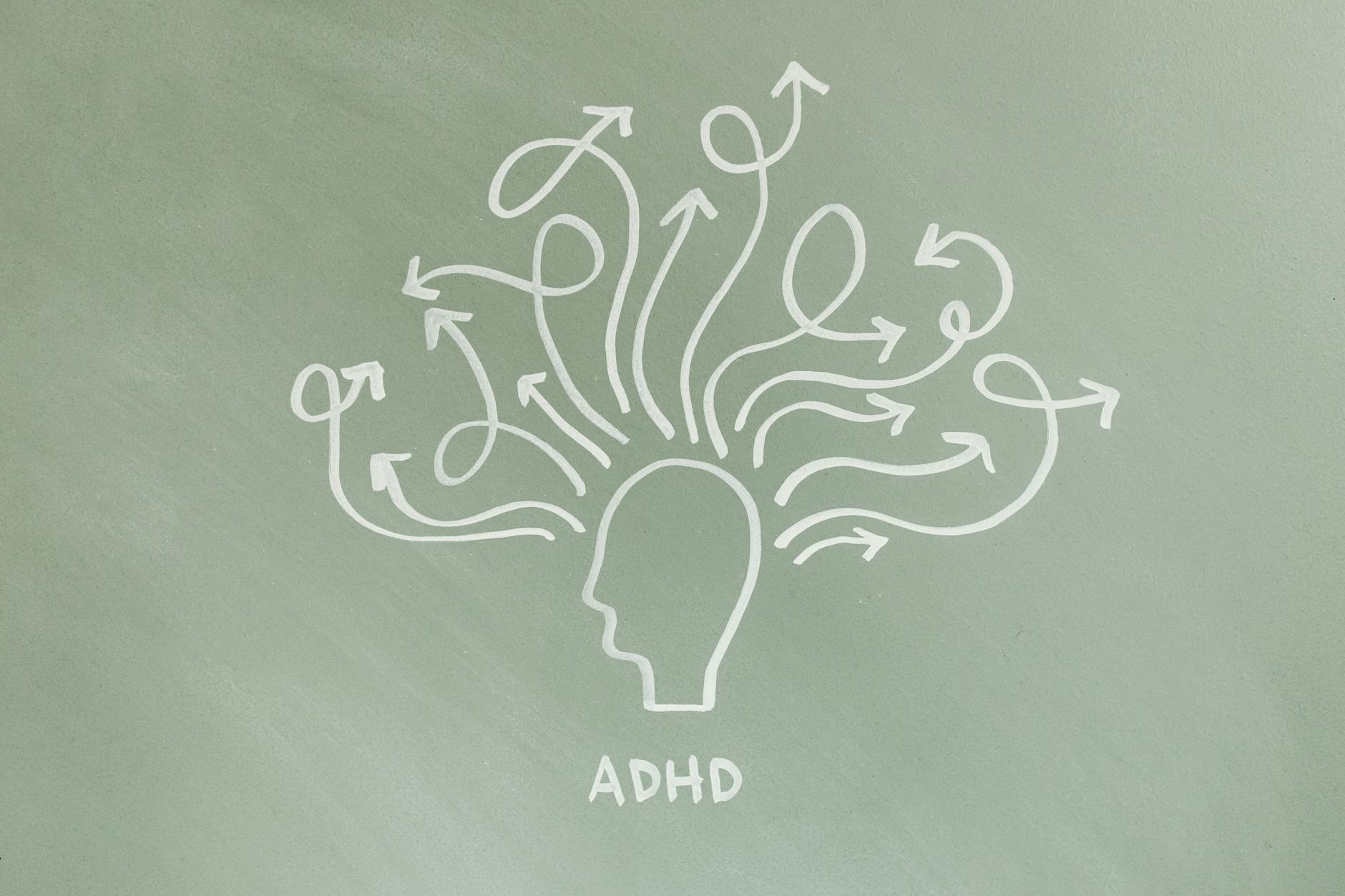

As an Early Childhood educator, a Middle School Counselor, and a Mental Health Professional, I’ve had the opportunity to work with individuals of various age groups to help in managing life with ADHD. I’ve helped people to flourish into successful individuals by teaching strategies to meet their individual needs. Natasha Ballard, LPC can be booked for counseling sessions through our website or by calling our office 504-285-8009.
It is understandable that parents of children with various needs and abilities can find it difficult to meet the individual needs of their children. Well, add in the diagnosis of ADHD. This can be more challenging; however, with a few simple strategies, life can be made easier for all involved.
Supporting kids with ADHD involves a combination of strategies tailored to their unique needs. Here are some effective approaches:
Structured Environment: Create a consistent routine and organized space to help them feel secure and focused. This could include morning routines, bedtime routines, and even homework routines. If a child knows what to expect and what is expected of him/her, the consistency will help things to go smoothly for all involved.
Clear Instructions: Use simple, clear, and concise language when giving directions. Break tasks into manageable steps. Even incorporating a dry erase board with lists will help the child and parent to not become frustrated as they can refer back as needed; which would require less repeated directions.
Positive Reinforcement: Acknowledge and reward achievements, no matter how small. This boosts confidence and motivation. Focus on intrinsic rewards to build the child’s confidence; in addition to, extrinsic/tangible rewards.
Limit Distractions: Reduce noise and visual clutter during homework or tasks to help with concentration. Having a quiet space, free from other children, televisions, and/or conversations will help the child to focus, leading to homework being completed at a faster rate.
Interactive Learning: Incorporate hands-on activities or movement into learning to engage the child’s interest. When teaching new skills, movement is the way to go. It will help the child to get energy out, while still learning. Even when completing tasks that will take longer, allowing the child to take a brain break and move will help him/her to push through and complete the task without becoming overwhelmed.
Regular Breaks: Encourage short breaks and chunk tasks to help the child to recharge and maintain focused. As previously mentioned, teaming up a break with movement can be a major plus!
Professional Support: Consider therapy or counseling to teach coping strategies and provide emotional support. Through counseling, children can be taught strategies such as breathing exercises or mindfulness practices to manage stress and anxiety.
Collaboration with Educators and Counselors: Creating a team, including the counselor and teacher can ensure that strategies introduced in counseling will be used at school and at home; ultimately helping the child to reach academic and social/emotional success!
Open Communication: Foster a supportive environment where your child feels comfortable expressing his/her feelings and challenges.
With proper strategies and consistency, a person living with ADHD can be successful. If you or someone you know is struggling to coping with ADHD, please reach out to the counselors at Neutral Ground Behavioral Health Solutions. We would love to work with you!



Leave a Reply