
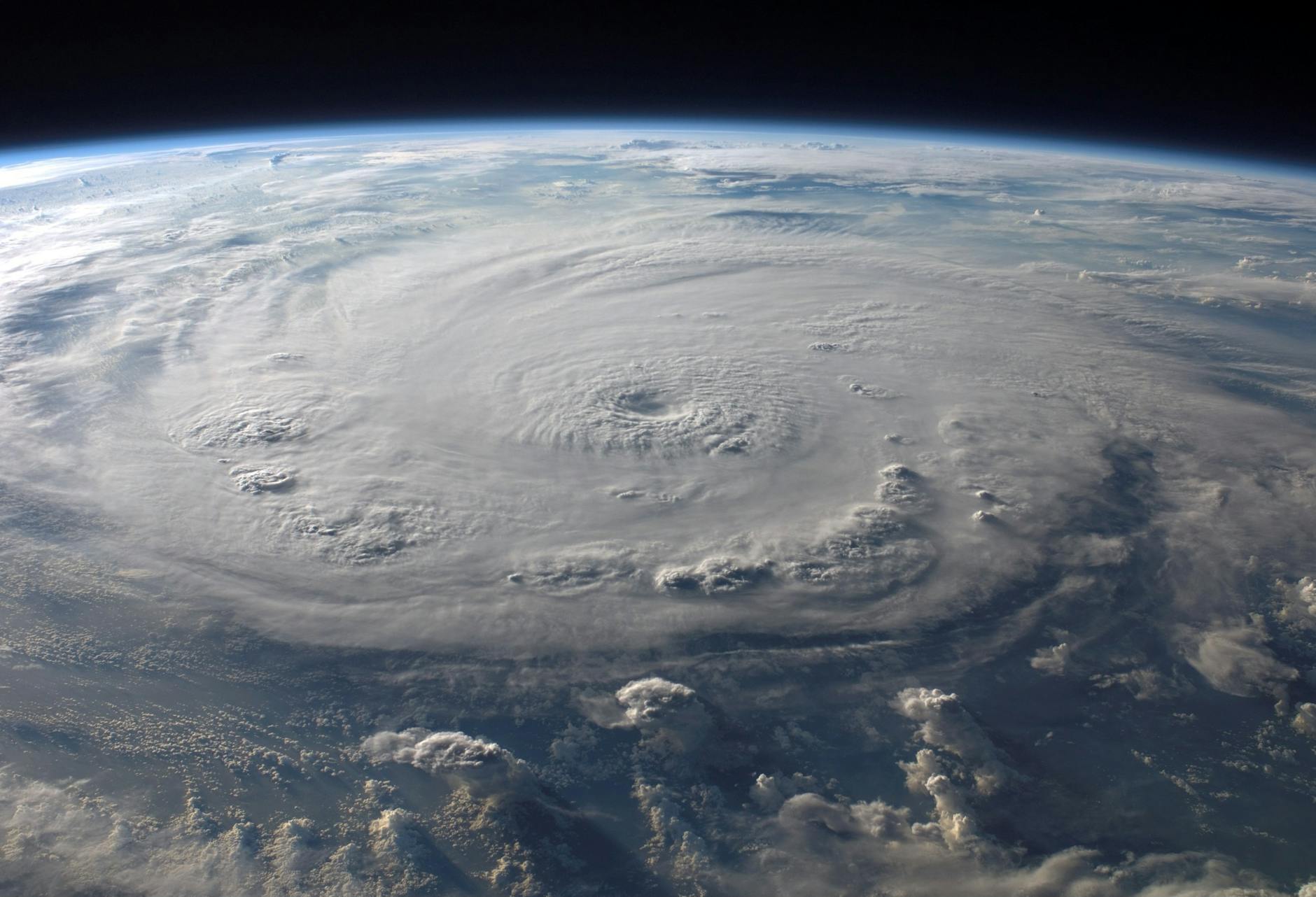

Cisco Gonzales is a Licensed Professional Counselor who resides in Metairie. Although he lives in Metairie, he is passionate about his hometown St. Bernard Parish! Cisco is a two time hurricane survivor with both Katrina (2005) and Isaac (2012) flooding his family home. Experiencing Hurricane related anxiety? Call today!
Hurricane season, with its unpredictable storms and potential for destruction, can be a challenging time for many. The anxiety and stress associated with preparing for and living through hurricanes can take a significant toll on mental health. It’s essential to recognize these challenges and adopt strategies to maintain mental well-being during these turbulent times.
The Psychological Impact of Hurricanes
- Anticipatory Anxiety: The period leading up to a hurricane can be fraught with anxiety. The uncertainty of the storm’s path and potential impact can create a heightened sense of fear and unease.
- Trauma from Previous Storms: For those who have experienced previous hurricanes, the approach of a new storm can trigger traumatic memories and intensify feelings of dread and helplessness.
- Displacement and Loss: The aftermath of a hurricane can involve displacement from homes, loss of personal property, and a disruption of daily routines, all of which contribute to stress and anxiety.
- Isolation: Evacuations and the disruption of social networks can lead to feelings of isolation, which can exacerbate mental health issues.
Strategies for Maintaining Mental Health
- Preparation and Planning: Having a well-thought-out emergency plan can provide a sense of control and reduce anxiety. Knowing what to do and where to go can alleviate some of the fear of the unknown.
- Stay Informed but Limit Media Exposure: While it’s important to stay informed about the storm’s progress, excessive exposure to news coverage can increase anxiety. Limit the amount of time spent watching or reading about the storm and rely on trusted sources for updates.
- Connect with Others: Social support is crucial during stressful times. Stay connected with family, friends, and community members. Share your concerns and seek comfort in knowing you are not alone.
- Practice Self-Care: Engage in activities that promote relaxation and well-being. This can include reading, exercising, meditating, or any hobby that brings you joy and distraction from the stress.
- Seek Professional Help: If the stress becomes overwhelming, don’t hesitate to seek help from a mental health professional. Therapy or counseling can provide valuable support and coping strategies.
Supporting Children During Hurricane Season
Children are particularly vulnerable to the stress and anxiety associated with hurricanes. Here are some ways to support them:
- Provide Reassurance: Explain the situation in a calm and age-appropriate manner. Reassure them that steps are being taken to ensure their safety.
- Maintain Routines: As much as possible, try to maintain regular routines. Familiar activities can provide a sense of normalcy and security.
- Encourage Expression: Allow children to express their feelings and fears. Encourage them to talk, draw, or write about their emotions.
- Limit Exposure to Media: Shield children from graphic news coverage, which can be frightening and confusing.
- Be a Role Model: Children often take cues from adults. By managing your own stress and demonstrating positive coping strategies, you can help them feel more secure.
Community and Long-Term Recovery
The period following a hurricane can be just as challenging as the storm itself. Community support and long-term recovery efforts are vital:
- Rebuild Together: Participate in community rebuilding efforts. Working together towards a common goal can foster a sense of community and purpose.
- Access Support Services: Utilize available support services for housing, food, and mental health. Community organizations often provide resources to help those affected by hurricanes.
- Focus on the Future: While it’s essential to address immediate needs, also focus on long-term goals and rebuilding a sense of normalcy.
Hurricane season is a time of heightened stress and anxiety, but by preparing, staying connected, and practicing self-care, individuals and communities can navigate these challenges more effectively. Remember, it’s okay to seek help and support, and by taking care of your mental health, you can better weather the storm.



Leave a Reply to Lisa ForsytheCancel reply