
Christian Ramirez, LPC is a mom, wife, and counselor whose favorite stress reliever is sitting in silence while in nature and take it in! Christian can be booked for Counseling Sessions through our website or by calling our office 504-285-8009.
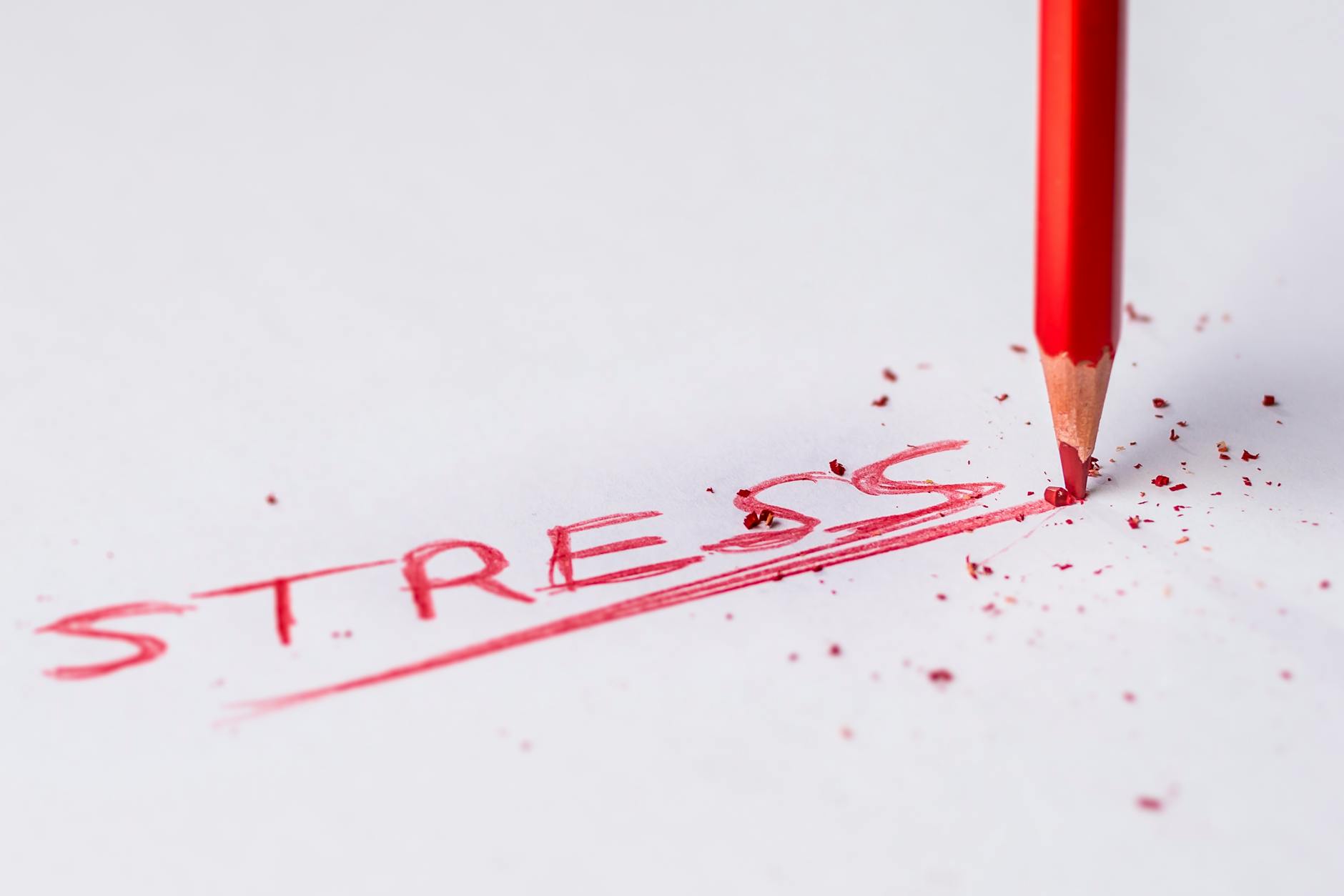
As April approaches, so does National Stress Awareness Month, a time dedicated to
shedding light on an omnipresent aspect of modern life: stress. Stress is a universal
human experience, impacting individuals across all ages, genders, and backgrounds.
However, despite its prevalence, stress often remains misunderstood and overlooked.
This month serves as an opportunity to delve into the complexities of stress, explore its
effects on mental and physical well-being, and discover strategies for managing it
effectively.
Defining Stress
At its core, stress is the body’s natural response to perceived threats or demands. In
small doses, stress can be beneficial, motivating us to take action and adapt to
challenges. However, when stress becomes chronic or overwhelming, it can have
detrimental effects on our health, relationships, and overall quality of life.
Recognizing the Signs
One of the first steps in stress management is recognizing the signs and symptoms.
Stress manifests differently for each individual, but common indicators include:
● Physical symptoms: headaches, muscle tension, fatigue, and digestive issues.
● Emotional symptoms: irritability, anxiety, mood swings, and feelings of
overwhelm.
● Behavioral symptoms: changes in appetite, sleep disturbances, social
withdrawal, and increased use of substances like alcohol or tobacco.
Understanding the Impact
The effects of stress extend far beyond temporary discomfort. Prolonged stress has
been linked to a myriad of health problems, including cardiovascular disease, weakened
immune function, depression, and anxiety disorders. Moreover, stress can impair
cognitive function, leading to difficulties in concentration, memory problems, and
decreased productivity.
Coping Strategies
Fortunately, there are numerous strategies for managing stress and promoting
resilience. Here are some techniques to consider:
Practice mindfulness: Engage in mindfulness meditation, deep breathing
exercises, or yoga to cultivate present-moment awareness and reduce stress
levels.
Maintain a healthy lifestyle: Prioritize regular exercise, balanced nutrition, and
sufficient sleep to bolster your body’s ability to cope with stress.
Set boundaries: Learn to say no to additional commitments when your plate is
full, and establish boundaries to protect your time and energy.
Seek social support: Lean on friends, family, or support groups during
challenging times. Sharing your feelings and experiences can provide emotional
validation and perspective.
Engage in hobbies: Dedicate time to activities you enjoy, whether it’s reading,
painting, gardening, or listening to music. Engaging in hobbies can offer a much-
needed respite from stressors.
Seeking Professional Help
While self-care strategies can be valuable tools for stress management, sometimes
professional intervention is necessary. If stress is significantly impacting your daily life
or mental health, don’t hesitate to seek support from a therapist or counselor. They can
provide personalized guidance and techniques to help you navigate through difficult
times.
National Stress Awareness Month serves as a reminder of the importance of
acknowledging and addressing stress in our lives. By understanding the nature of
stress, recognizing its signs, and implementing effective coping strategies, we can
cultivate resilience and lead healthier, more fulfilling lives. Let this month be a catalyst
for positive change as we strive to prioritize our well-being and support those around us
in their journey toward stress management and mental wellness.



Leave a Reply